
Show Your Work: What is Takes to Trust a Machine
A partner is about to lean on an AI-drafted memo to help decide whether to put millions into a company. Everything about that moment turns on a question the industry has trained us not to ask: how did the machine get here? This essay is about the machinery we built so that question always has an answer.
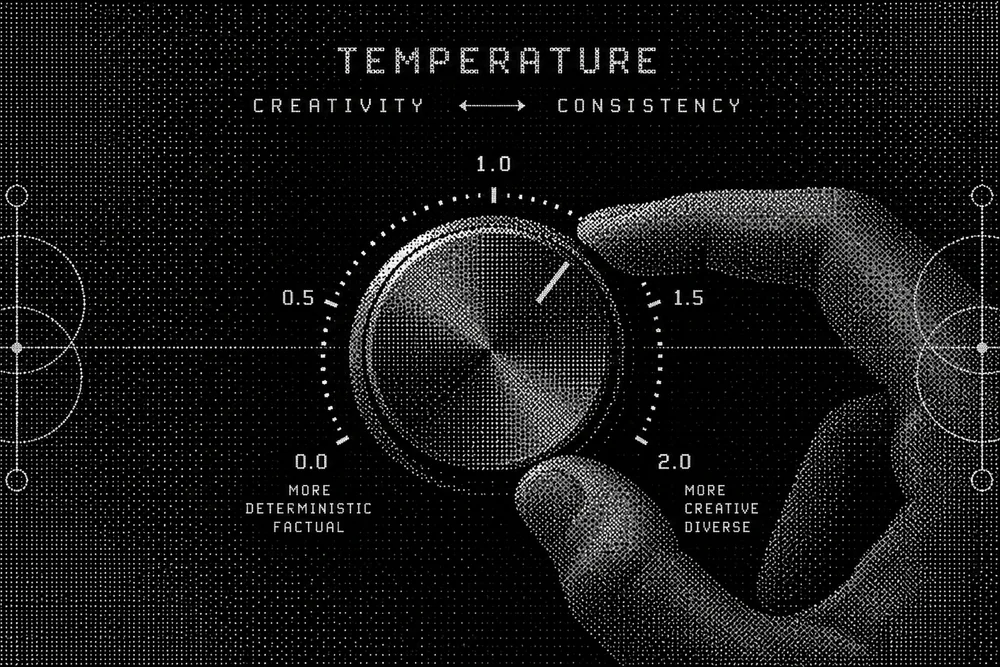
AI Model Temperature: What it is and What it means for Judgment
Every AI agent runs at a temperature. Here is what that means, why it matters, and how each Vantage agent gets its own.

What Separates a Real AI Agent From a Chat Bot or Pipeline With a Name
AI Agent... The word has been stretched to cover almost anything that calls a model twice. The useful test is not how autonomous a system is, but whether it holds a position it can be caught being wrong about.
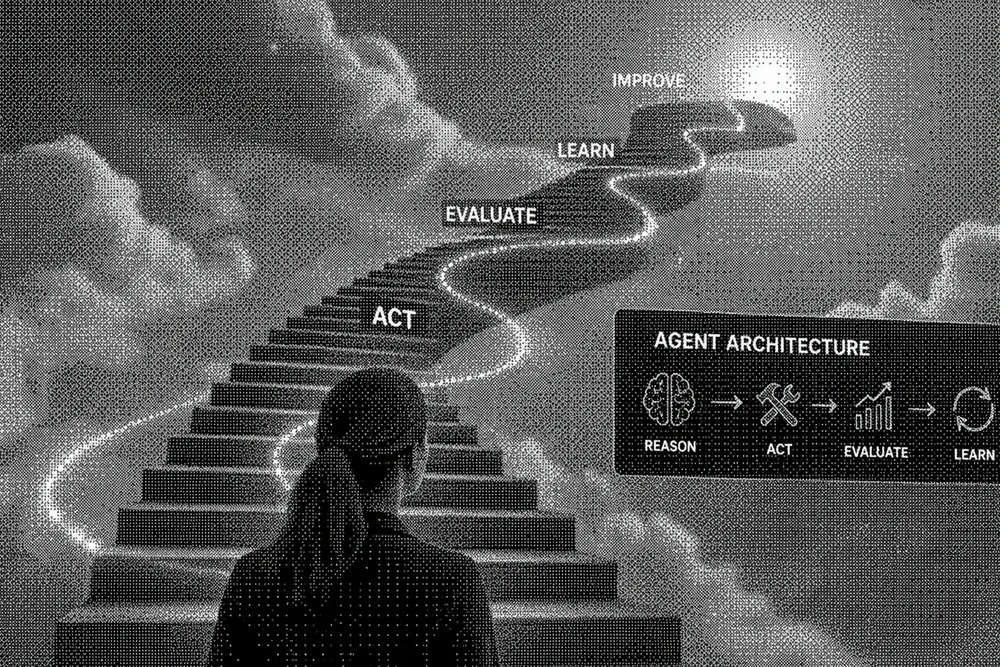
Building the Learning Loop: The Architecture of an Agent That Actually Improves
Most of the argument about AI agents is still about whether they can act. Inside our fleet that question is settled. The harder one is whether an agent gets better, and the answer turns out to be an argument about where a lesson should live.
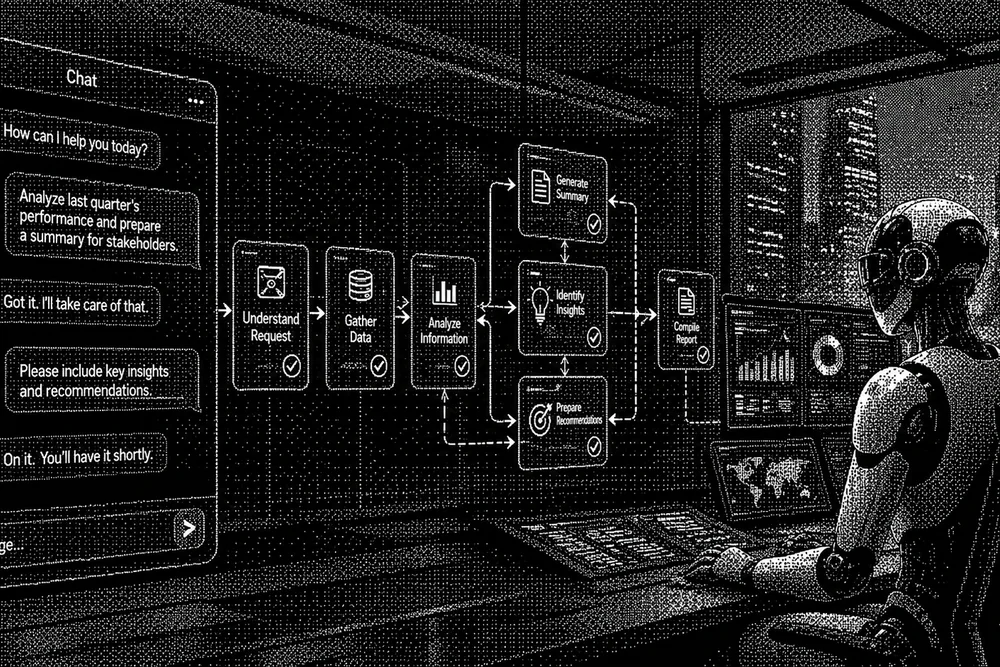
Why Our Agents Have No Reward Function: Score Everything, Optimize Nothing
We score every claim our agents make. We deliberately never let a score change an agent's behavior without a person in between. The gap between those two sentences is the most consequential design decision in the fleet.

The Attention Ledger: Why Building Less Became the Hard Part
For thirty years the engineering budget did the editing. It is gone, and the discipline it enforced went with it. What remains is the one input AI did not make cheaper, which is the attention of the person on the other side of the screen.

The Future of Interactive: Why the Best Judgment Comes From Argument
The most interactive software most professionals have ever used was not built for work. It was a game. The tools we make our most consequential decisions with have stayed inert, and the lineage that fixes that runs through forty years of teaching software to hold a point of view.

No Standing Keys: Why No One Can Reach Your Data, Not Even Us
Most software asks you to trust that a wall between your data and everyone else's will hold. SCCR removes the wall by removing the shared room. You are the only firm on your codebase, no one holds standing keys to it, not even us, and that guarantee had to be true from the first line of code.
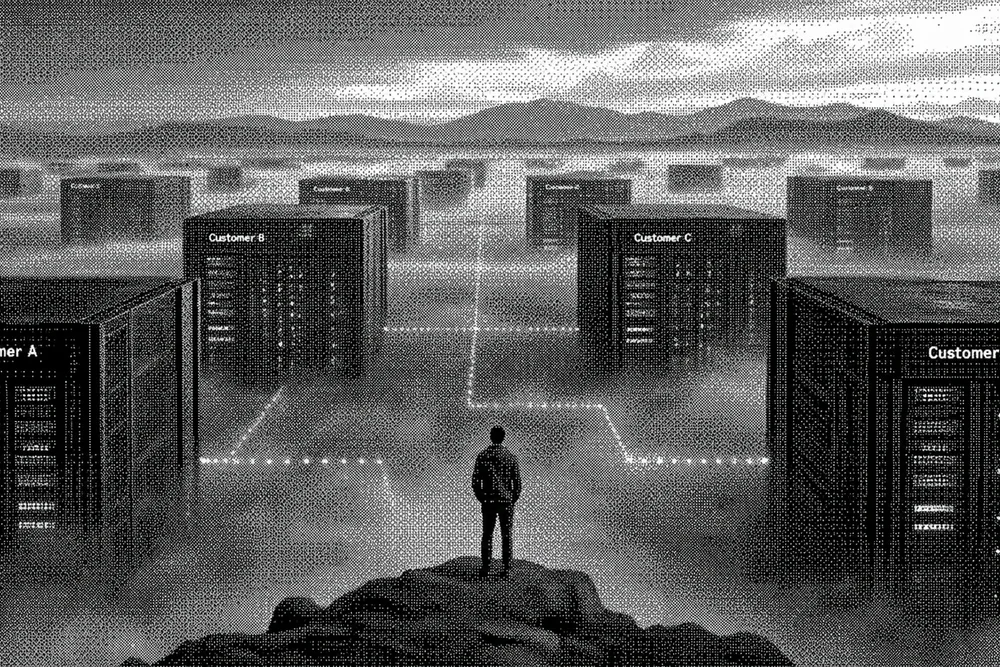
The Fork Was Never the Problem: How SCCR Made Isolation Possible
Every engineer learns to fear forking. We made it the foundation of the platform. The one thing that made forking irresponsible, the cost of maintaining all those separate copies by hand, is the one thing AI just made close to free.

Where the Human Stands: Engineering the Boundary Between People and Machines
Every firm now claims a human in the loop, but the phrase has been stretched until it means almost nothing. The real question is architectural, and it has four answers.

Intelligence Was Never One Thing: The Paradox That Shaped How We Built Vantage
The most useful idea for deciding what machines should do in your firm is almost forty years old. It is the cornerstone of why we built Vantage, and most of the industry is reading it backwards.